Fintech Integration Services

Euristiq builds the fintech integration layer that connects your fintech product to payment gateways, banking rails, KYC/AML providers, and the other financial systems it needs to run on. We’ve shipped integrations between loan origination and servicing platforms, identity verification vendors, and internal financial data systems, for lenders, digital identity platforms, and investment firms, so you get a connected, auditable system instead of a product running on manual handoffs.
Fintech integration

What is fintech integration?

Fintech integration is the layer that connects a product to the financial systems it needs to run on: payment gateways and rails, core banking and open banking providers, KYC/AML and identity verification vendors, and internal data systems. Lenders, software platforms and retailers use it so data moves between those systems automatically instead of through manual re-entry.

68 %

of European consumers abandoned a financial application during onboarding

according to Signicat, The Battle to Onboard 2022
29 %

of the average company’s applications are integrated

according to the MuleSoft Connectivity Benchmark Report
Our services

Fintech integration services we provide

We build the integration layer between your product and the financial systems it runs on: loan origination and core banking platforms, identity verification vendors, payment gateways and rails, open banking providers, and the internal data systems behind them. Our AI-native 4D approach lets a smaller team deliver 2× faster than traditional development, so your integrations reach production and your product reaches the market sooner.
icon-nav

Loan platform and core banking integration

icon-nav

Identity verification and KYC/AML integration

icon-nav

Payment rail and gateway integration

icon-nav

Open banking and account data integration

icon-nav

Legacy system and data integration

icon-nav

Integration consulting and discovery

icon-nav

Dedicated integration teams

icon-nav

Embedded finance integration

icon-nav

Billing and subscription billing integration

icon-nav

Integration support and maintenance

Loan platform and core banking integration
BANKING

Loan platform and core banking integration

Lenders running origination and servicing on a single legacy vendor hit a ceiling the moment their loan book outgrows it. We design and build the middleware layer that connects best-of-breed platforms, origination on one side, servicing on the other, so data moves between them automatically instead of through manual re-entry.


Middleware that orchestrates workflows across origination and core banking platforms
Two-way data translation and validation between platform data models
Event-driven architecture with deduplication and idempotency guards against duplicate processing
Data migration tooling built from the same adapter libraries as the integration layer
Full lifecycle coverage, including cases a standard servicing platform’s functionality can’t handle on its own
Distributed tracing across the integration layer for fast error diagnosis
See the nCino + Mambu loan origination integration case study
Identity verification and KYC/AML integration
IDENTITY & COMPLIANCE

Identity verification and KYC/AML integration

Fraud has moved past what a simple pass/fail ID check can catch. We connect your platform to identity verification infrastructure via secure API, then layer in custom decisioning so the result is a structured, auditable decision rather than a binary yes or no.

Secure API connection to identity verification infrastructure, with authentication and API key management
Web and mobile SDK integration for in-app document and selfie capture
Branded verification UI so the flow matches your product rather than feeling like a third-party hand-off
Webhook architecture for real-time results instead of polling
Custom decisioning across data validation, visual authenticity, and document consistency checks
Fraud detection features such as repeat-attempt flagging and OCR-based document eligibility checks
See the Onfido (Entrust) KYC integration case study
Payment rail and gateway integration
PAYMENT RAILS

Payment rail and gateway integration

Accepting payments online or in-app means connecting to card processors, gateways, and the rails that move money (ACH, SWIFT, SEPA, or Faster Payments, depending on market). We architect this layer with security and auditability built in from the start, not retrofitted once a compliance review flags it.

Payment gateway and processor integration for web and in-app transactions
Multi-rail support for cross-border and multi-currency transfers
Event-driven architecture for high-throughput transaction processing
Secure credential and token management across providers
Monitoring and fallback design for transaction reliability
Explore our payment software development services
Open banking and account data integration
ACCOUNT DATA

Open banking and account data integration

Pulling bank account data with a customer’s consent, or taking payments directly from an account, requires connecting to an open banking layer and handling the compliance obligations that come with it. We build this as part of the same financial-grade architecture we use for core banking and payment work.

API-first account data integration with consent management
PSD2-aligned open banking API layers
Secure data handling with masking of sensitive customer fields
Real-time event delivery via webhooks rather than polling
Explore our fintech software development services
Legacy system and data integration
MODERNIZATION

Legacy system and data integration

Financial data trapped in manual processes, spreadsheets, or disconnected internal systems is a scaling and compliance problem. We’ve replaced manual document and data workflows for a financial services client with automated, cloud-native systems that pull from multiple internal sources into one place.

Automated data aggregation from multiple internal services into a single system of record
Event-sourcing and event-streaming architecture for scalability and auditability
Access scoping so only authorized parties, internal or third-party, see specific data
High-concurrency server architecture designed for regulated, sensitive data
Book an audit for your outdated products
Integration consulting and discovery
ADVISORY

Integration consulting and discovery

Before any code is written, we map the systems involved, the compliance requirements, and the real integration points, so the build doesn’t stall on a wrong assumption six weeks in.

System and integration-point mapping before architecture decisions are made
Architecture Decision Records for every major integration choice
Phased migration planning for legacy-to-modern system moves
Build-versus-extend recommendations grounded in your existing platform stack
See how our discovery works
Dedicated integration teams
TEAM EXTENSION

Dedicated integration teams

Some integration work needs to sit inside your own engineering team rather than run as a separate vendor project. We embed senior engineers directly into client teams, working inside their architecture governance and their own delivery practices.

Senior engineers embedded inside your existing engineering team
Delivery shaped around your architecture governance and review process
AI-assisted delivery practices including automated code review against your conventions
Long-term partnership model, not a one-off handoff
Book a call
Embedded finance integration
EMBEDDED FINANCE

Embedded finance integration

Software platforms and retailers want payments, balances or banking inside their own product rather than sending users elsewhere. We build those features into your platform on top of embedded finance providers, so your users get financial services under your brand.

Embedded payments for platform users, for example through Stripe Connect
Embedded accounts, balances and transfers
Approval flows and permissions for business users
Connected-account onboarding with KYC and KYB checks
Branded card and cashback programs on embedded banking
Fee and revenue-share logic built into the payment flow
Book a call
Billing and subscription billing integration
BILLING

Billing and subscription billing integration

Recurring revenue depends on billing that charges correctly, retries failed payments and presents bills clearly. We integrate billing and bill-presentment systems with your payment stack and your accounting data.

Subscription and recurring billing integration
Bill presentment and online payment portals
Failed-payment retries and dunning workflows
Plan changes, proration and usage-based billing
Invoice generation and delivery
Billing data feeds into accounting and reporting
Integration support and maintenance
SUPPORT

Integration support and maintenance

Integrations don’t stay finished after launch. Providers change their APIs, retire old versions and update compliance rules. We monitor and maintain your integrations once they’re live, so a vendor change doesn’t turn into a broken checkout or a failed KYC check.

Monitoring and alerting across every integration, built on OpenTelemetry, Prometheus and Grafana
Vendor API upgrades and deprecation handling before provider deadlines hit
Incident response and root-cause fixes when an integration fails
Updates for changing compliance requirements, including PCI DSS, PSD2 and DORA
Adding new providers or replacing existing ones without rebuilding the integration layer
Architecture Decision Records and documentation kept current as the integration changes
Ask about integration support

Platforms and providers we integrate with

We connect your product to the financial platforms it runs on, including:
01

Payment gateways and processors

Stripe, including Stripe Connect, Adyen, Checkout.com and PayPal, for card payments, payouts and marketplace payments in web and in-app checkouts.

02

Open banking and account data

Plaid, TrueLayer and Tink, for consent-based access to bank account data, balance checks and pay-by-bank payments.

03

Card issuing and money movement

Marqeta for card issuing and Wise for cross-border transfers, plus direct work with payment rails: ACH, SWIFT, SEPA and Faster Payments.

04

Identity verification and KYC/AML

Onfido (Entrust), Persona and Sumsub, for document and selfie checks, KYC and KYB onboarding, and custom fraud decisioning on top of vendor results.

05

Lending and core banking

nCino, Mambu and Temenos, for loan origination, servicing and core banking, connected through middleware so data stays in sync without manual re-entry.

06

Accounting, ERP and billing

QuickBooks, Xero and NetSuite, so payment, billing and invoice data flows into your accounting and reporting automatically.

07

Messaging and cloud infrastructure

Apache Kafka, Amazon SQS and AWS, for the event-driven layer that moves data between all of the above reliably.

01 — 00

Fintech integration challenges we solve

Most fintech integration problems come down to the same four issues: systems tied to one vendor, data that moves by hand, identity checks that fraud has outgrown, and records that don’t match across platforms. Here’s how we handle each one.
01

Single-vendor dependency

When your entire loan or servicing lifecycle runs through one platform or vendor, any disruption on their side is a direct risk to your business. We build integration layers that decouple systems so either side can, in principle, be replaced without rearchitecting the whole flow.

02

Manual re-keying between systems

Staff manually re-entering data between an origination platform and a servicing platform, or between internal data sources and outbound documents, is slow and error-prone. We replace that handoff with automated, event-driven data flow.

03

Fraud outpacing simple checks

Synthetic identities and AI-generated documents slip past pass/fail ID checks. We build custom decisioning on top of identity verification vendors so your platform gets a structured, auditable risk decision instead of a binary pass or fail.

04

Compliance risk from inconsistent data

When the same customer or loan record looks different across systems, audits get harder and regulators notice. We design integrations with validated, enriched data and full audit trails from day one.

Recognize one of these in your stack?

Tell us which systems you need to connect, and we’ll show you where the integration layer should start.
01 — 00
Our portfolio

Fintech integrations, lending, wealth management software we deliver

Payments
Wealth Management
Investment
Digital Identity
Identity Verification
Digital Credentials
KYC
Lending

Payment gateway and virtual card integration

Payment gateway and virtual card integration

Corpay’s corporate travel booking platform ran on an outdated monolith, and its credit-card payment feature was broken beyond repair. Euristiq moved card payments off the monolith onto microservices with 3D Secure v2 support and automatic fallback to v1. It also integrated virtual card providers, so business travelers could secure hotel reservations without sharing their own card details with hotels.

34% increase in successful credit-card payments

2× increase in unique users and hotel searches

99.69% lowest weekly platform uptime, up from 97.49%

View case study read more cta
corporate travel management web application corplay

Custodian data feed integration

Custodian data feed integration

Mozaiik is building a Canadian-native wealth management platform for investment counsel firms and multi-family offices. Euristiq built a daily automated data feed from Raymond James, so positions, cash balances, and market values for custodied accounts update every day with no manual entry. Advisors can also trigger an on-demand sync at any time.

Daily automated sync of positions, cash balances, and market values

Corrected a net-worth calculation that had been excluding cash, improving accuracy across all accounts

40%+ in development costs saved through AI-native delivery

View case study
wealth management SaaS platform development for mozaiik

Investment platform and transaction system sync

Investment platform and transaction system sync

Octopus Group’s legacy application for managing investor portfolios, bank accounts, and withdrawals couldn’t keep pace with the business, and investor, product, and portfolio data came from various sources. Euristiq rebuilt it around a GatewayAPI that routes data to connected services and keeps it synchronized with the third-party system that documents financial transactions.

£12.9B in assets managed through the platform

63,000+ investor profiles managed end-to-end

750+ employees using the platform for day-to-day operations

View case study
enterprise investment management software modernization octopus

Privacy-first identity verification and credential onboarding

Privacy-first identity verification and credential onboarding

Gen Digital’s Midy by Norton needed a digital credential onboarding system that could handle high volumes of users without compromising privacy or performance. Euristiq designed secure onboarding protocols, defining the APIs, messaging, and interactions between mobile apps, backend microservices, and credential issuers. The team also benchmarked three OCR providers to recommend the best fit.

100% PII protection, with verification data deleted immediately after processing

18+ microservices migrated from Amazon SQS to Kafka

3 OCR providers evaluated with a Golang proof of concept

View case study
case study midy by norton

Document and bank credential verification hub

Document and bank credential verification hub

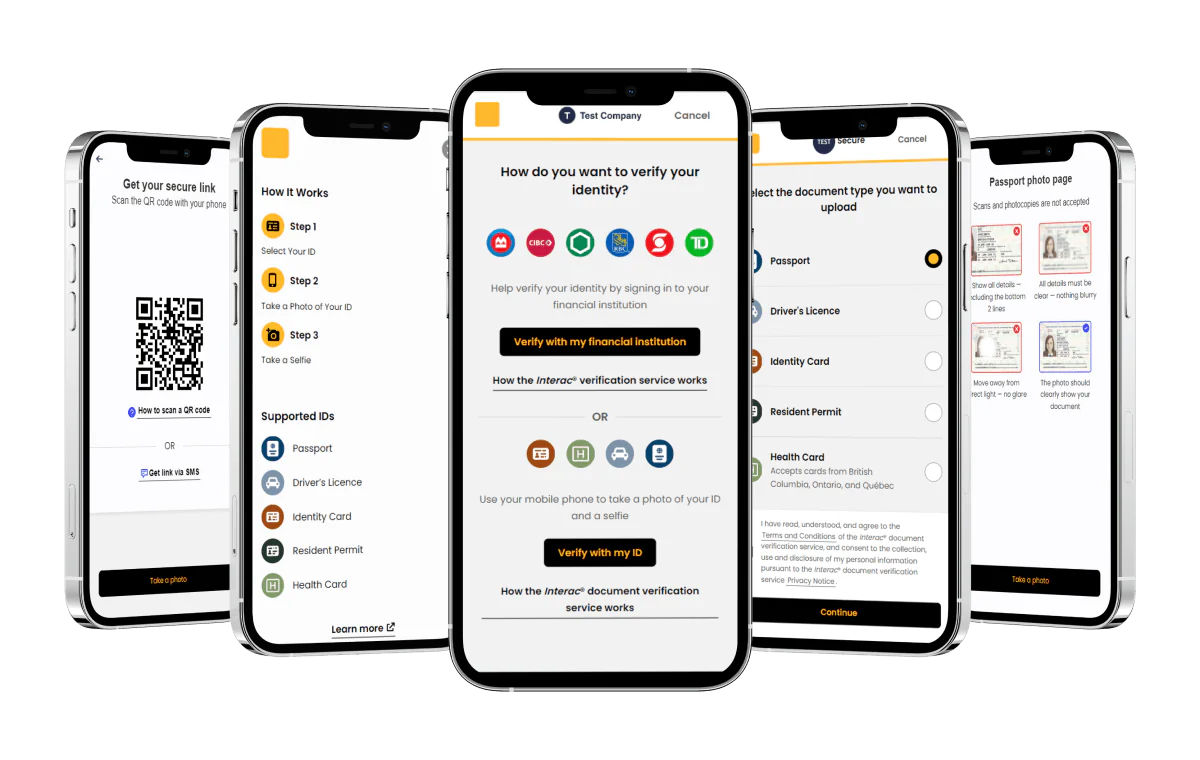
A leading digital ID and authentication provider needed a document verification service trusted enough for government and banking use. Euristiq co-created the service, then helped integrate a hub that combines document verification with a separate service that verifies identities using bank-issued credentials. A matching algorithm compares data from both sources and returns a percentage-based match.

Adopted by the US and Canadian governments, the Canadian interbank network, and financial institutions

Document verification service developed in 7 months

30+ developers delivering under tight deadlines

View case study
document verification software

Verifiable digital credentials

Verifiable digital credentials

A Canadian identity and authentication provider behind BankID services needed portable digital credentials that could be independently and cryptographically verified. Euristiq helped build a blockchain-based identity platform that integrates with government institutions, banks, financial institutions, and other third-party databases.

Digital identity verification platform used by the Government of Canada

Compliant with W3C standards

Instant identity verification using digital versions of passports, licences, and birth certificates
View case study
case study interac

Real-time KYC integration

Real-time KYC integration

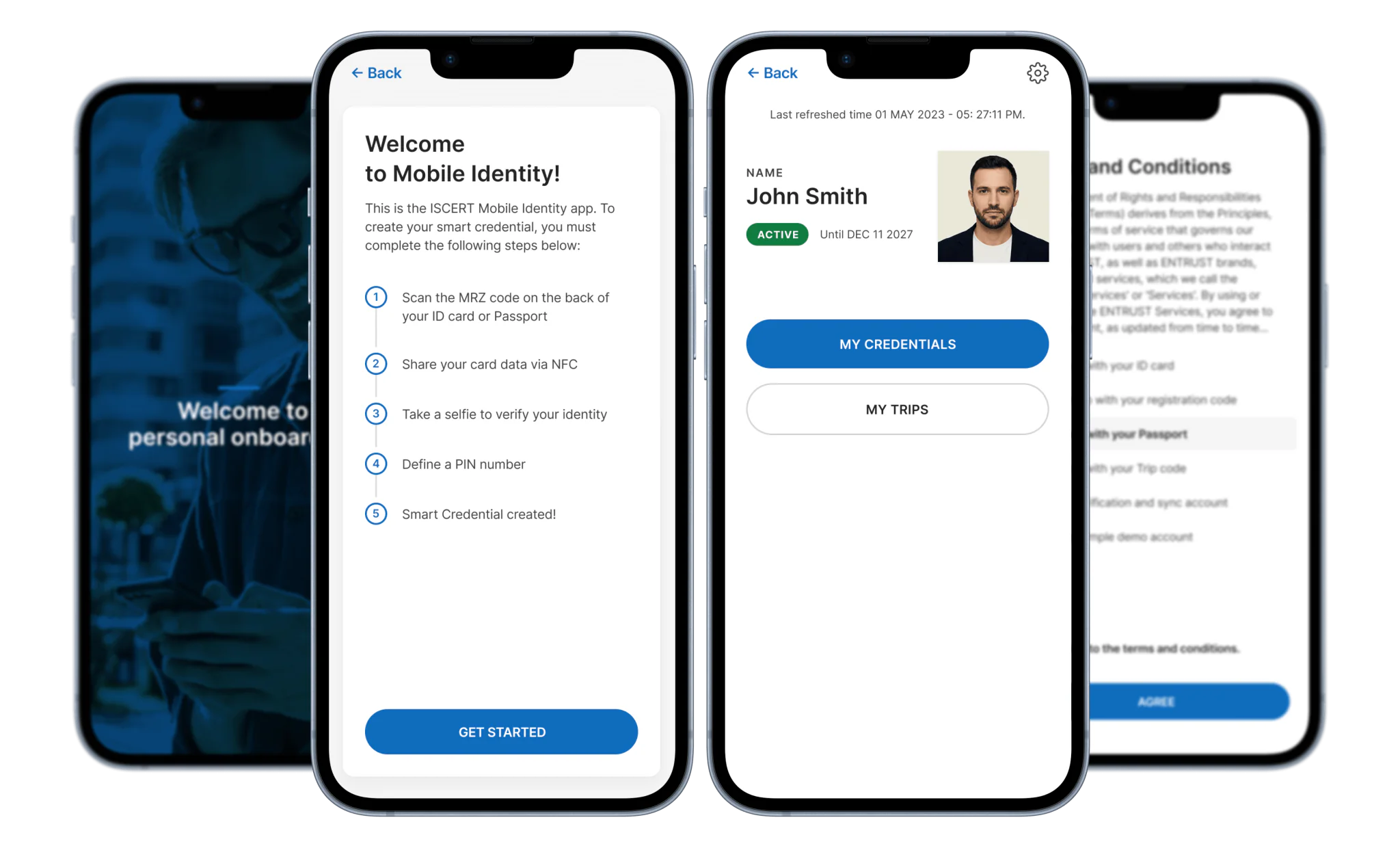
A confidential Canadian digital identity platform needed real-time, auditable identity checks that could stand up to synthetic identities and AI-generated documents. Euristiq delivered a full identity verification integration, connecting the platform to Onfido (now Entrust), with zero downtime while running alongside live product development.

2,500+ document types now supported across jurisdictions

6 months the integration build ran alongside live platform development, with zero downtime

2 years of ongoing development partnership since the initial integration
View case study

Loan origination and servicing integration

Loan origination and servicing integration

A UK real estate lender’s loan book was growing faster than its single-vendor legacy platform could handle. Euristiq’s embedded engineering team designed and built the middleware connecting the lender’s origination platform to a separate core banking and servicing platform, replacing that single point of failure with a connected, best-of-breed system.

20+ end-to-end loan flows automated across origination and servicing

100% of planned legacy-parity features shipped on schedule, validated against real migrated loan data

View case study
ai-native before after loan flow
01 — 00
Planning a fintech integration?

See where you should start

Fintech integration pricing

These are Euristiq’s general minimum engagements across all project types. Your integration estimate follows discovery, once the systems and compliance scope are clear.

Integration Proof of Concept

Development
2-4 weeks
$15,000
cost range
Book a call
Details
System and integration-point mapping
Working prototype
Architecture decision records for every major integration choice
Build-versus-extend recommendation for your platform stack

Single integration

Development
6-14 weeks
from $25,000
cost range
Request proposal
Details
Secure API connection with authentication and API key management
Two-way data translation and validation between platform data models
Webhooks for real-time results instead of polling
Monitoring and fallback design

Integration layer

Development
4-12 months
from $50,000
cost range
Contact us
Details
Middleware that orchestrates workflows across platforms
Event-driven architecture with deduplication and idempotency guards
Data migration tooling built from the same adapter libraries
Distributed tracing for fast error diagnosis

Hire Fintech developers

Why choose Euristiq for fintech integration projects
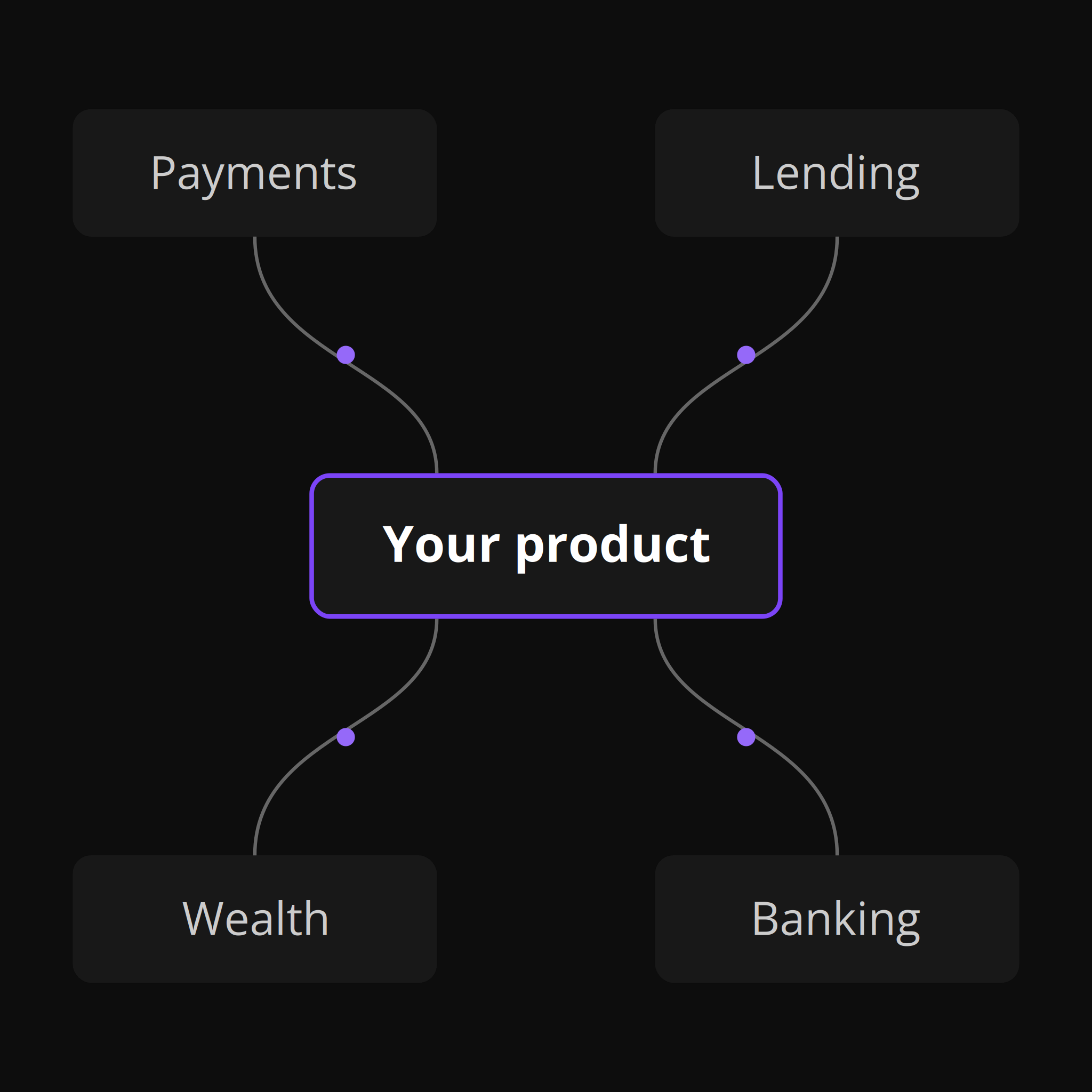
image-card

Why Euristiq for fintech integrations

Euristiq has spent 10+ years building and integrating financial software for digital lenders, neobanks, asset managers, and non-financial companies embedding financial services, across payments, lending, wealth management, digital banking, RegTech, and embedded finance/BaaS.

See our fintech projects see more

Compliance as a day-one decision

  • PCI DSS, SOC 2 and GDPR
  • PSD2/Open Banking and DORA
  • AML/KYC requirements
Book a call see more

Results in production

  • Corpay: 34% more successful card payments, uptime raised from 97.49% to 99.69%
  • Gen Digital (Norton): 18+ microservices moved from Amazon SQS to Kafka with 100% PII protection
  • Octopus Group: manual reconciliation eliminated across £12.9 billion in assets
  • Mozaiik Wealth Tech: MVP to multi-tenant SaaS in months, with over 40% saved in development costs
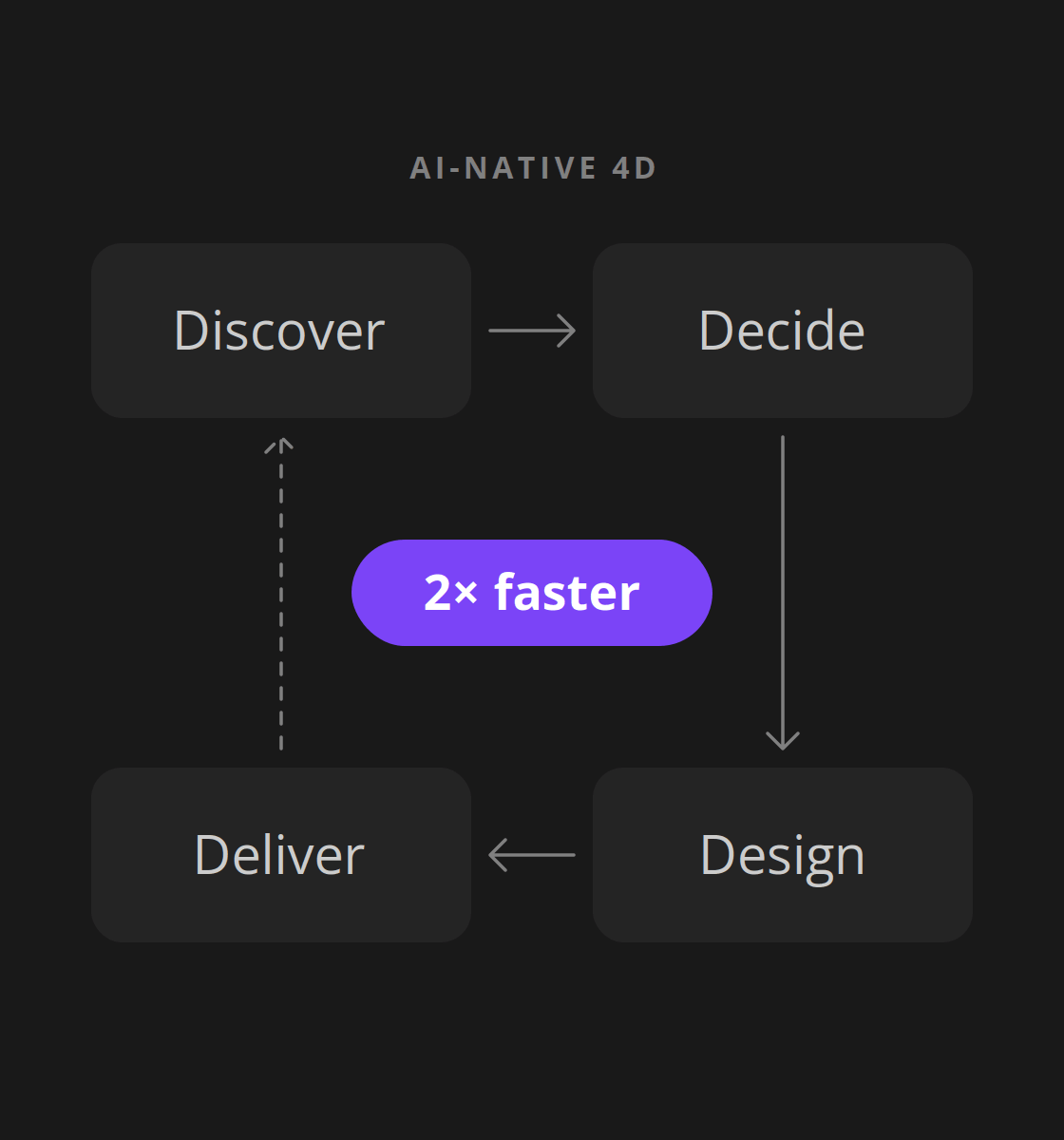
image-card

How we deliver

  • AI-native 4D approach: Discover, Decide, Design, Deliver
  • Custom fintech software delivered 2× faster than traditional development
  • AWS Advanced Tier Services Partner with three AWS
  • Competencies
    ISO/IEC 27001:2022 certified
More about us read more cta

Fintech integrations for lenders, identity platforms and investment firms

We build integrations for three kinds of financial companies: lenders connecting origination to servicing, digital identity and fintech platforms adding real-time KYC, and investment firms pulling sensitive data out of disconnected internal systems.
01

Integrations for lenders

Euristiq connects loan origination platforms to core banking and servicing systems, so lenders moving off a single-vendor legacy platform keep both sides in sync without manual re-entry.

Loan origination to core banking and servicing integration
Legacy loan data migration, validated in parallel runs against real loan data
Full loan lifecycle coverage, including cases standard platforms can’t handle
Architecture Decision Records and governance that fit your engineering team
View case study
02

Integrations for digital identity and fintech platforms

Euristiq integrates identity verification vendors into fintech products and adds custom fraud decisioning, so each check returns a structured, auditable result without pausing your product roadmap.

Identity verification API integration with real-time results via webhooks
Branded verification SDKs for web, iOS and Android
Custom fraud decisioning on top of vendor verification data
Zero-downtime delivery alongside live platform development
View case study
03

Integrations for investment and financial services firms

Euristiq replaces manual data handling with automated integrations that pull from multiple internal systems into one place, with security and access control built in from the start.

Automated data aggregation from multiple internal services into one system
Event-sourcing architecture for auditability at scale
Scoped access for internal teams and authorized third parties
High-concurrency architecture for regulated data
View case study
Hosted checkout vs. API vs. SDK

Which integration approach fits your product?

Most payment and banking providers offer more than one way to connect. The right choice depends on how much control you need over the user experience and how much compliance work you want to take on.

Hosted checkout

What it is

The provider’s payment page, opened by redirect or embedded

Control over the user experience

Low

PCI DSS scope

Smallest, because card data never touches your systems

Build effort

Lowest

Best for

MVPs and simple online stores

SDK

What it is

The provider’s prebuilt components inside your web or mobile app

Control over the user experience

Medium to high

PCI DSS scope

Reduced, because the provider’s components handle sensitive fields

Build effort

Medium

Best for

In-app payments and in-app KYC capture (document and selfie)

Direct API

What it is

Your backend calls the provider’s API, and you build the whole flow

Control over the user experience

Full

PCI DSS scope

Largest, unless you use tokenization

Build effort

Highest

Best for

Platforms, marketplaces and custom or multi-provider flows

01 — 00

Our tech stack

Backend

Mobile

Web frontend

Legacy

Blockchain/DeFi

Data & AI/ML

Observability

Backend
icon-tag
Java
C#/.NET
icon-tag
Python
Go (Golang)
icon-tag
Node.js/TypeScript
icon-tag
Kotlin
Rust
C++
Ruby
PHP
Elixir
Erlang
Mobile
icon-tag
Swift
icon-tag
Kotlin
icon-tag
React Native/TypeScript
icon-tag
Flutter/Dart
Objective-C
Web frontend
icon-tag
JavaScript/TypeScript
icon-tag
React
icon-tag
Vue.js
icon-tag
Angular
Legacy
COBOL
Java
PL/I
RPG
Blockchain/DeFi
Solidity
Rust
Go
Move
Vyper
Haskell
Data & AI/ML
Python
SQL
Scala
Julia
MATLAB
PL/SQL
Observability
OpenTelemetry
Prometheus
Grafana
Loki
Tempo

FAQ

Can an integration run without disrupting our live product?

Yes. Our identity verification integration for a digital identity platform ran for six months alongside live platform development with zero downtime, and our loan origination integration shipped full legacy parity on schedule.

What compliance standards do you build integrations around?

What compliance standards do you build integrations around?
We design integrations around the compliance requirements each client needs to meet, including PCI DSS, PSD2/open banking, GDPR, and relevant KYC/AML obligations. We build software designed to meet these requirements; the client remains responsible for its own compliance status.

Do you integrate with platforms you haven’t worked with before?

Yes. Our approach starts with discovery and architecture design regardless of the specific platform, and we’ve connected systems like loan origination and core banking platforms, and identity verification vendors, that don’t integrate natively.

Should we build a custom integration or extend an existing platform?

It depends on whether your provider stack is standard or whether your systems need custom orchestration between platforms that don’t integrate natively. We can advise after a discovery phase, which is the first stage of any integration project.

Do you provide a dedicated team for ongoing integration work?

Yes. We offer team extension, where our engineers work embedded inside your existing engineering team, and we’ve maintained ongoing integration partnerships for multiple years on single accounts.

Should we connect to banks through an aggregator like Plaid or directly?

An aggregator such as Plaid, TrueLayer or Tink gives you one API that reaches thousands of banks, so you launch fast, and the aggregator usually holds the open banking licence. You pay fees per connection or API call. A direct bank connection means a separate build for each bank’s own API, so launch is slower and you maintain every connection. You avoid middleman fees, but you may need your own licence and certificates. An aggregator suits products that need broad bank coverage quickly. Direct connections suit high volumes with a few banks, or corporate host-to-host payments.

How do you keep PCI DSS scope small?

The fewer of your systems that touch raw card data, the smaller your PCI DSS scope. We use the provider’s hosted fields or hosted payment pages so card details go straight to the provider, and tokenization so your systems store tokens instead of card numbers. Credentials and tokens are managed securely across providers, and compliance is part of the architecture from the start, not added after a review.

Can you switch us to a new payment provider without downtime?

Yes. We put an integration layer between your product and the providers, so a new provider can be connected without rebuilding your product. The old and new providers run in parallel, traffic moves over in phases, and fallback to the old provider stays in place until the switch is complete. Stored card tokens usually need a migration coordinated between the two providers, and we plan that as part of the move.

Who maintains the integration when a vendor changes its API?

We can, through our integration support and maintenance service. It covers vendor API upgrades and deprecations, monitoring and incident fixes, and updates for changing compliance rules. If your own team takes over, they get documentation and Architecture Decision Records for every major integration choice, so they can maintain it without us.

Build or buy: should we build our own payment gateway?

For most companies, no. Building a gateway means PCI DSS Level 1 compliance, relationships with acquiring banks and ongoing certification work. That only pays off at very high transaction volumes, or if payments are your core product. The usual better choice is to integrate an existing gateway, or several through one integration layer, and build custom logic around it. We recommend build or extend during discovery, based on your volumes and platform stack.

Who owns the code and IP? Do you sign an NDA?

You own the code and intellectual property we create for your project. We sign an NDA before discovery starts, so you can share system details, architecture and compliance documents from the first conversation.

    Attach file
    We will add your contact details provided in this form to our system for contacting you regarding your request. For more info please consult our Privacy Policy
    Contact euristiq team

    Let’s talk!

    Ivan Muts, President of Euristiq
    Contact euristiq custom software development company